- +1 (888) 990-7177
- monarchcontractors@mail.com
- 501 Cambria Avenue Bensalem, PA 19020

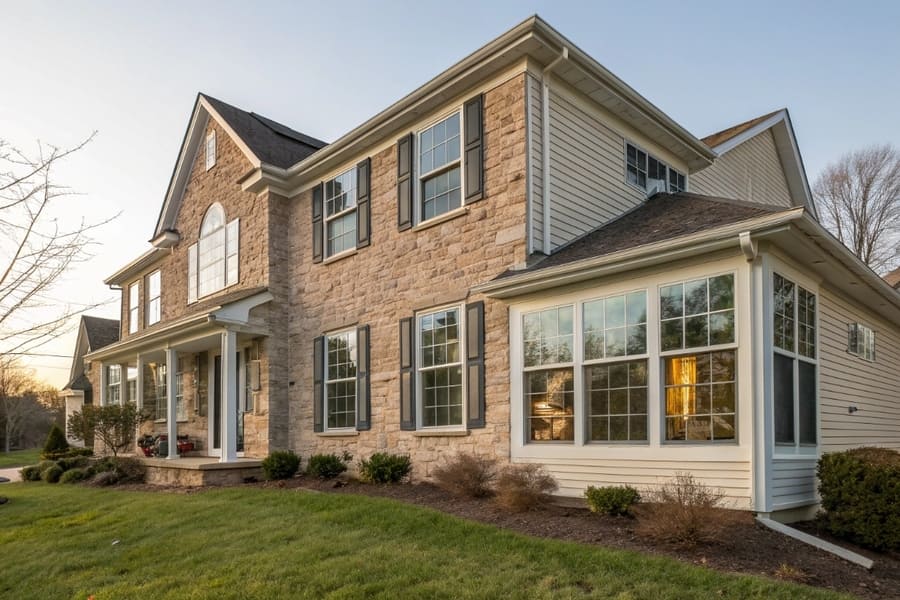
For homeowners in Pennsylvania and New Jersey, rising utility rates make it more important than ever to reduce energy waste at home. One of the most impactful upgrades you can make is professional window replacement with modern, high‑performance units. With properly selected and installed Energy Star–certified windows, many homes see heating and cooling costs drop by 15–40%, especially if you’re replacing old single‑pane or failing double‑pane units.
Monarch Contractors has been installing windows across PA and NJ since 1991, completing hundreds of thousands of units for local homeowners in all types of properties and climates. Below, we explain how modern window technology works, what kind of savings you can realistically expect in our region, and how to choose the right products for your home.
Older single‑pane or poorly insulated double‑pane windows act like thermal “leaks” in your building envelope. In winter, warm indoor air escapes through the glass and frame; in summer, outside heat penetrates easily, forcing your HVAC system to run longer and harder. Drafts around the frame, failed seals, and condensation between panes are all common signs that your windows are no longer performing.
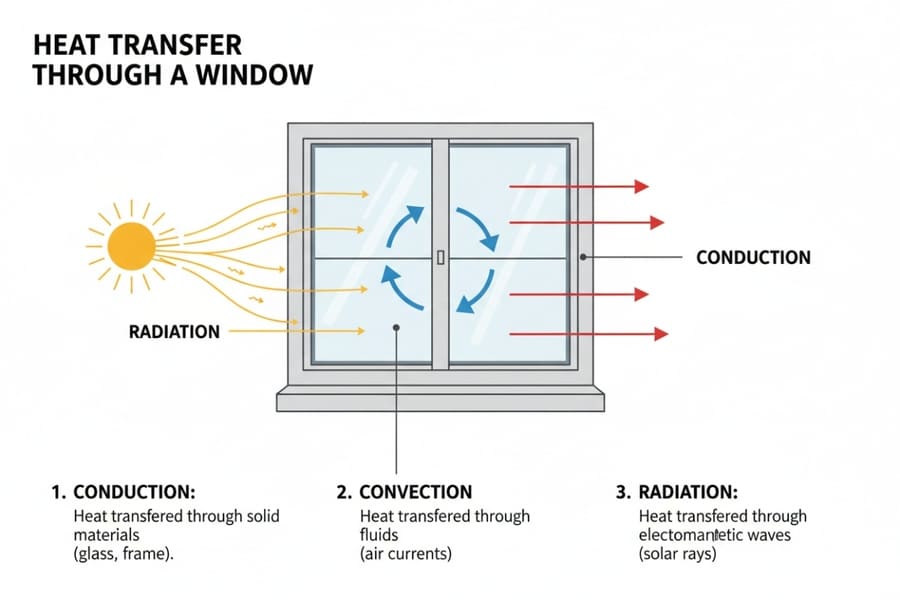
Modern windows fight three main types of heat transfer:
Conduction: Heat moving through the glass and frame
Convection: Air currents circulating between panes and around the frame
Radiation: Solar energy and infrared heat entering or leaving through the glass
By combining better glass packages, advanced coatings, insulated gas fills, and high‑performance frames, new windows drastically reduce this unwanted heat flow and stabilize indoor temperatures.
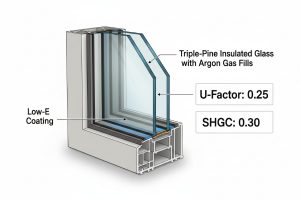
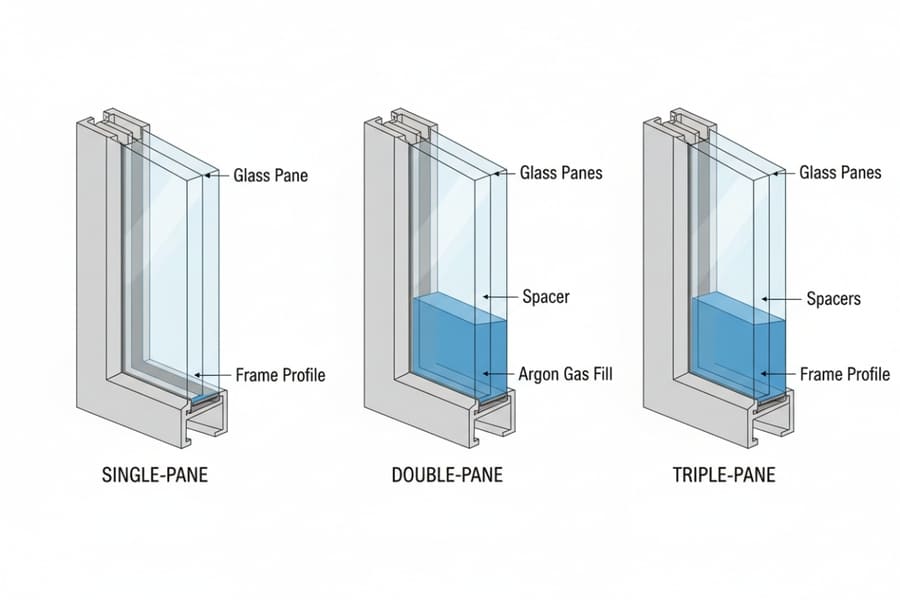
Most homes we service in Pennsylvania and New Jersey now use at least double‑pane insulated glass units, and in some cases triple‑pane for maximum performance. Compared to old single‑pane glass, double‑pane units can reduce heat loss by roughly half, while triple‑pane glass offers even stronger insulation in harsher or noisier environments.
These units work by:
Using two or three layers of glass
Creating a sealed airspace between panes for insulation
Filling that space with inert gas (argon or krypton) to reduce convective heat transfer
When professionally installed, these systems help keep winter heat inside and summer heat outside, so your furnace and air conditioner run less.
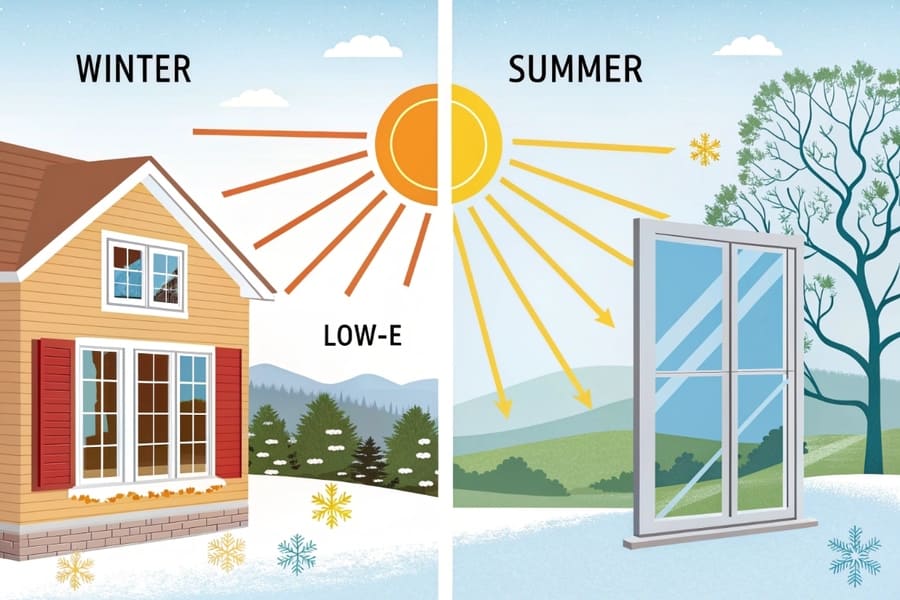
Low‑emissivity (Low‑E) coatings are ultra‑thin, nearly invisible metallic layers applied to the glass surface. They reflect infrared heat while still allowing plenty of natural daylight into your living spaces.
For our climate:
In winter: Low‑E glass reflects interior heat back into the room, reducing heat loss
In summer: It helps block a large portion of solar heat, especially on south‑ and west‑facing windows, lowering cooling loads
Modern Low‑E windows can block up to 90% of harmful UV rays, helping protect floors, furniture, and artwork from fading while keeping rooms more comfortable.
Between panes, manufacturers often use argon or krypton gas instead of plain air. These gases are denser than air and move more slowly, which reduces convective heat transfer inside the unit.
Argon: The most common and cost‑effective choice for standard double‑pane units
Krypton: Typically used in high‑performance or narrow triple‑pane configurations where maximum insulation is required
Combined with Low‑E coatings and multi‑pane glass, these gas fills help create a high‑performance glazing system that noticeably reduces drafts near windows.
Spacers separate the panes around the edges of the glass. Older aluminum spacers conduct heat easily, creating cold edges, condensation, and potential seal failure. Modern “warm edge” spacers use improved materials and thermal breaks to:
Reduce condensation on glass edges
Improve overall insulation around the perimeter
Extend the life of the sealed glass unit
Quality windows installed by Monarch Contractors use warm edge spacer technology to improve long‑term performance in PA and NJ’s four‑season climate.
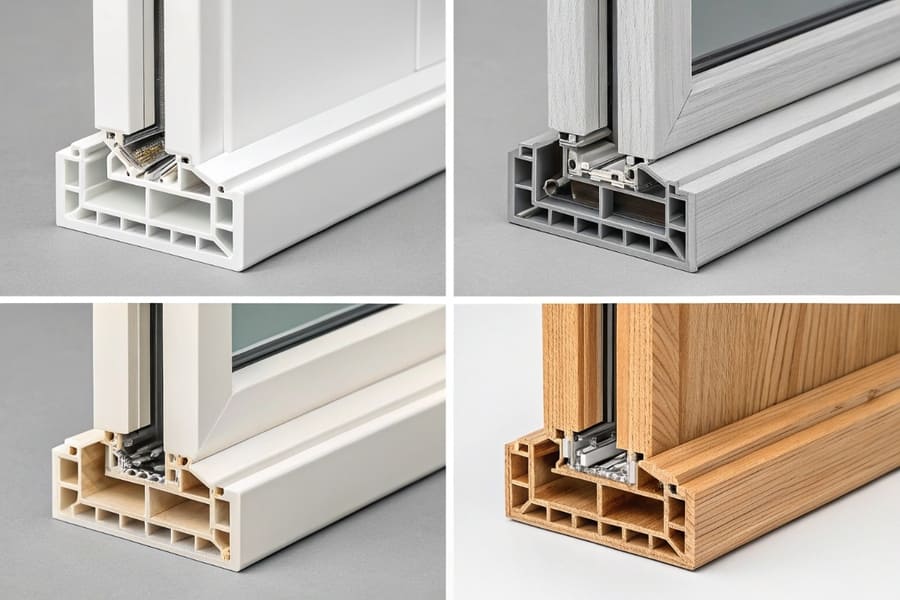
Choosing the right frame is just as important as the glass package. In our service areas across Pennsylvania and New Jersey, we install several frame types depending on the customer’s goals, budget, and architectural style.
Vinyl is one of the most popular choices for energy‑efficient window replacement due to its excellent insulation and low maintenance.
Multi‑chambered profiles trap air and reduce heat transfer
Fusion‑welded corners minimize air leakage over time
Vinyl never needs painting and resists rot and corrosion
For many suburban homes in Bucks, Montgomery, and surrounding counties, vinyl windows provide a strong balance of performance, durability, and value.
Fiberglass frames are dimensionally stable and offer higher insulation values than many standard vinyl products.
Resist expansion/contraction from temperature swings
Maintain tight seals and smooth operation through seasons
Can be foam‑filled for even better thermal performance
These frames are a great option where long‑term stability and performance are top priorities, such as larger window openings or homes with strong sun exposure.
For historic homes and neighborhoods with strict aesthetic standards, wood or clad‑wood windows remain a strong choice.
Solid wood frames provide good natural insulation
Clad‑wood units use aluminum or vinyl cladding outside for low maintenance while keeping a warm wood interior
In older properties around historic boroughs in PA and NJ, we often recommend these frames when owners want modern performance with traditional style.
Actual energy savings depend on your current windows, home size, insulation, and HVAC system. However, national studies and regional data give solid benchmarks:
The U.S. Department of Energy and Energy Star estimate that replacing single‑pane windows with Energy Star–certified units can save most households between $126 and $465 per year
Even upgrading older double‑pane clear‑glass windows to modern Energy Star models can save roughly $27–$111 annually
In homes with temperature extremes, total reductions in heating and cooling costs of 15–40% are realistic when replacing failing units with high‑performance windows
For a typical 2,000‑sq‑ft home in our Mid‑Atlantic climate with 15–20 older windows, it’s common to see several hundred dollars per year in reduced utility costs after a full replacement. Over the lifespan of quality windows, those savings can add up to many thousands of dollars, often offsetting a large portion of the initial investment.
When we visit your home for an in‑person assessment, we look closely at two key ratings on the NFRC (National Fenestration Rating Council) label:
U‑factor: Measures how well the window insulates. Lower U‑factors mean better insulation
Solar Heat Gain Coefficient (SHGC): Measures how much solar radiation passes through the glass. Lower SHGC means less unwanted solar heat
In Pennsylvania and New Jersey, homeowners experience both cold winters and warm, humid summers. That means you need a balanced approach:
For north‑facing windows, a moderate SHGC can help capture some passive solar heat in winter
For south‑ and west‑facing windows, especially where summer sun is intense, we typically recommend lower SHGC glass to cut cooling loads
Across the home, U‑factors below roughly 0.30 are often targeted for good energy performance in this mixed climate
Our project managers explain these ratings on site so you can compare options and choose the right configuration room by room.
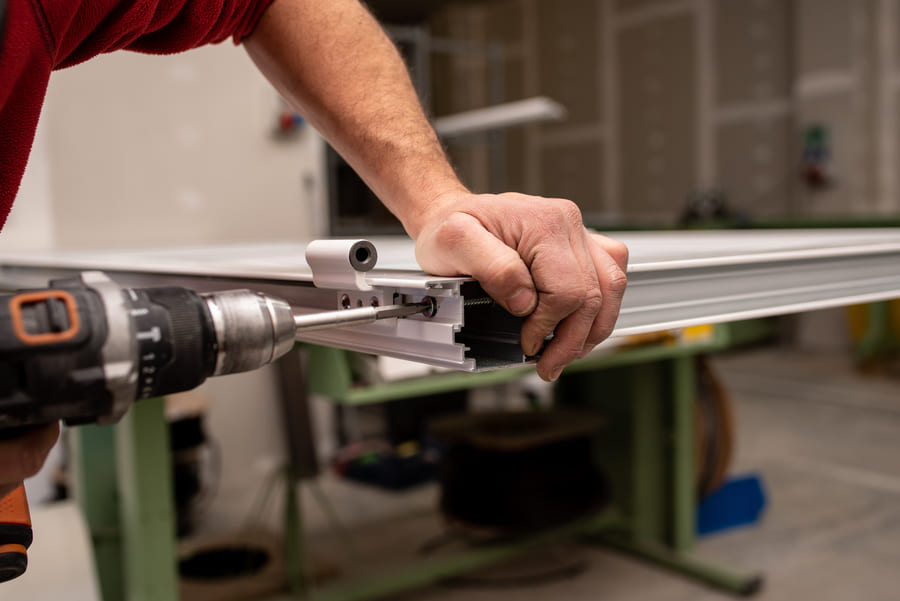
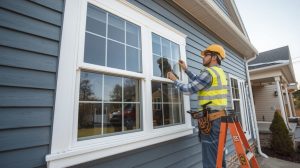
Even the best window will underperform if installed poorly. Gaps, improper shimming, or insufficient sealing can create drafts and moisture issues that cancel out the benefits of modern glass and frames.
A professional installation should include:
Accurate measurements and proper sizing of each unit
Correct shimming and fastening to keep the frame square and operational
Insulating and air‑sealing the gap between the window frame and wall (often with low‑expansion foam or backer rod and sealant)
Proper exterior flashing and trim to manage water and protect the wall assembly
Monarch Contractors handles the entire installation process with our own in‑house crews, not outside subs, and backs window installations with a lifetime warranty and a 10‑year quality assurance on workmanship for residential and commercial projects.
When evaluating replacement windows, two labels matter most:
Energy Star windows meet strict efficiency criteria set for specific climate zones and can lower household energy bills by an average of around 12% nationally. In practice, savings in PA and NJ can be higher when replacing very inefficient windows.
The NFRC label lists:
U‑factor (insulation)
SHGC (solar heat gain)
Visible transmittance (how much light gets through)
Air leakage (how much air can pass through)
Condensation resistance
During your free on‑site estimate, our specialists walk you through these numbers and show you how different products compare for your budget and goals.
Window replacement is one of the few upgrades that improves comfort, lowers monthly bills, and increases resale value at the same time.
Industry reports show:
Replacement windows in the Mid‑Atlantic region typically recoup a large share of project cost at resale, often in the 55–70% range depending on material and home type
Energy‑efficient windows are attractive to buyers focused on lower operating costs and better comfort, helping your home stand out in a competitive market
When you combine energy savings over 7–15 years with reduced HVAC wear, improved curb appeal, and higher resale value, high‑quality window replacement becomes a compelling long‑term financial decision.
Upgrading to modern windows with Monarch Contractors delivers several additional advantages that PA and NJ homeowners notice immediately:
Noise reduction: Multi‑pane glass and insulated frames significantly cut outside noise—ideal for homes near busy roads, rail lines, or commercial areas
UV protection: Low‑E coatings block most UV rays, helping protect hardwood floors, furniture, and décor from fading
Condensation control: Warm edge spacers and better frames reduce interior condensation, helping limit mold growth and window‑sill damage
Security and operation: New hardware, stronger frames, and updated locking systems improve security and everyday usability
For many homeowners, the improved comfort and quieter, more controlled indoor environment are just as valuable as the energy savings. Learn more about choosing between different window styles for your specific needs.
To get the most value from a window replacement project in PA and NJ, it helps to take a strategic approach:
Start with the worst performers: Prioritize rooms with obvious drafts, fogged glass, or severe temperature swings
Focus on sun‑exposed sides: South‑ and west‑facing windows typically deliver the biggest energy savings when upgraded
Consider whole‑home replacement over time: If the budget doesn’t allow full replacement at once, create a phased plan that starts with the most impactful areas first
Monarch Contractors offers free, no‑obligation in‑home assessments where we examine your existing windows, identify problem areas, and build a tailored plan that fits your budget and timeline.
Using less energy to heat and cool your home doesn’t just save money—it also reduces your environmental footprint. High‑performing windows cut the amount of electricity and natural gas your home uses, which in turn lowers greenhouse gas emissions.
Energy Star estimates that upgrading from inefficient windows to certified models reduces household energy use and associated CO₂ emissions each year. Multiplied across thousands of homes in Pennsylvania and New Jersey, these improvements help reduce strain on local grids and support broader sustainability goals.
If you’re seeing drafts, condensation, fogging between panes, or rising utility bills, your windows may no longer be doing their job. Modern Energy Star–rated replacements can improve comfort, reduce noise, boost curb appeal, and cut heating and cooling costs by up to 40% compared to older, inefficient units.
Monarch Contractors provides:
Free, no‑pressure in‑home assessments across Pennsylvania and New Jersey
A wide range of vinyl, fiberglass, and clad‑wood window options tailored to local homes and budgets
In‑house installation crews, firm pricing, and lifetime window warranties backed by more than three decades of local experience
Schedule your consultation today or call (888) 990‑7177 to speak with a window specialist about the best solution for your home.