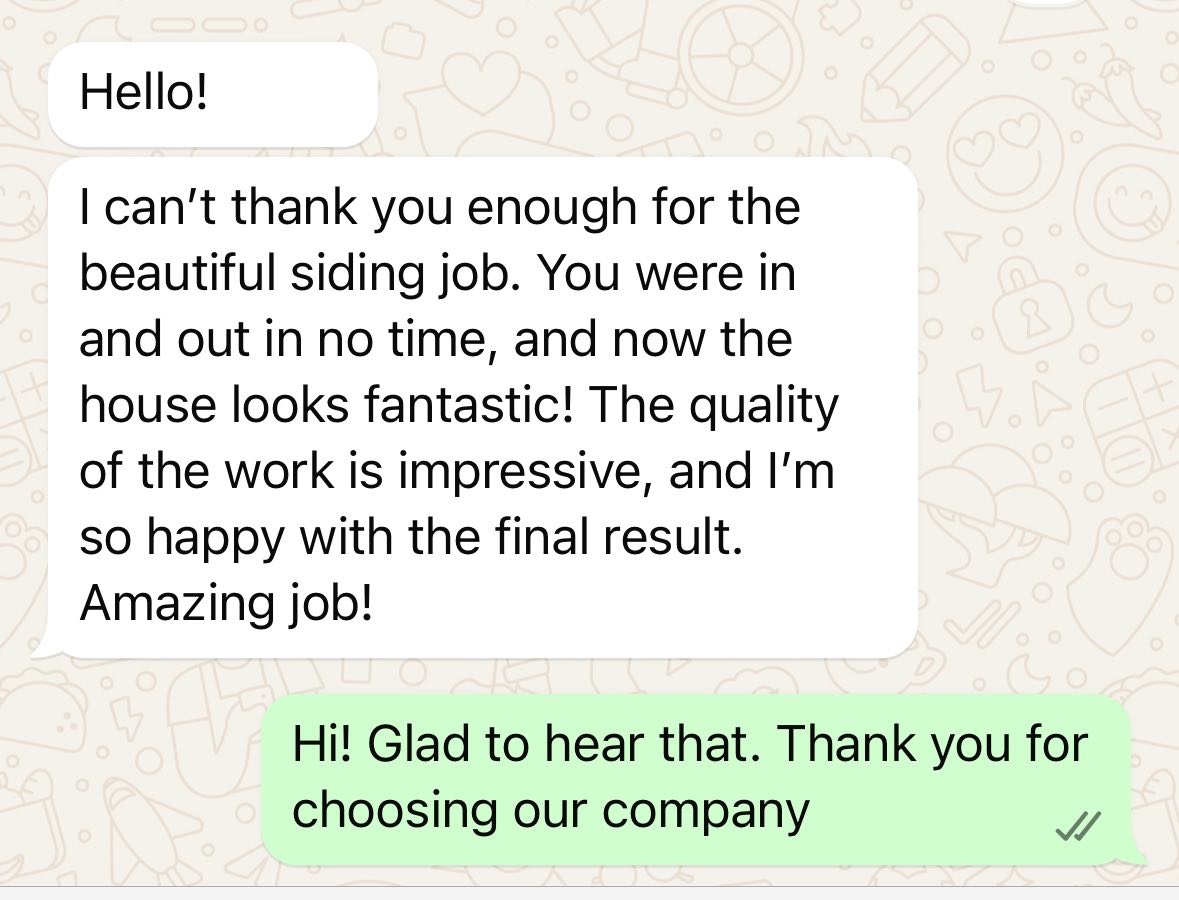
Most Philadelphia siding calls we take start the same way: the owner of a rowhouse or a twin in Northeast Philly or South Philly notices the corner board pulling away after a hard winter, water staining where the gutter ends, or a soft spot when they press on the trim. Then they discover their property is pre-1978 — which means lead-paint protocol — or sits inside a Historical Commission district, which means another layer of review. Monarch Contractors has handled all three for over thirty years, across every ZIP code from Fishtown to Roxborough.
Since 1991, we’ve installed siding on over 1,000 homes across Philadelphia County — from Victorian rowhouses in Fishtown to Colonial twins in Northeast Philly. We know city permit requirements, HARB processes, and neighborhood-specific access challenges firsthand.
Every project is handled by our own licensed team. You get consistent quality, direct accountability, and installers who understand the difference between a South Philly rowhouse and a Center City high-rise.
We navigate Philadelphia’s Architectural Review process and work with materials approved for historic districts. Your home’s character stays intact — your protection gets a serious upgrade.
The price we quote is the price you pay. No surprise add-ons after demolition starts. Every installation is backed by our workmanship guarantee and manufacturer warranties up to 30 years.
Four straightforward steps — from first call to finished project, handled entirely by our own crew.
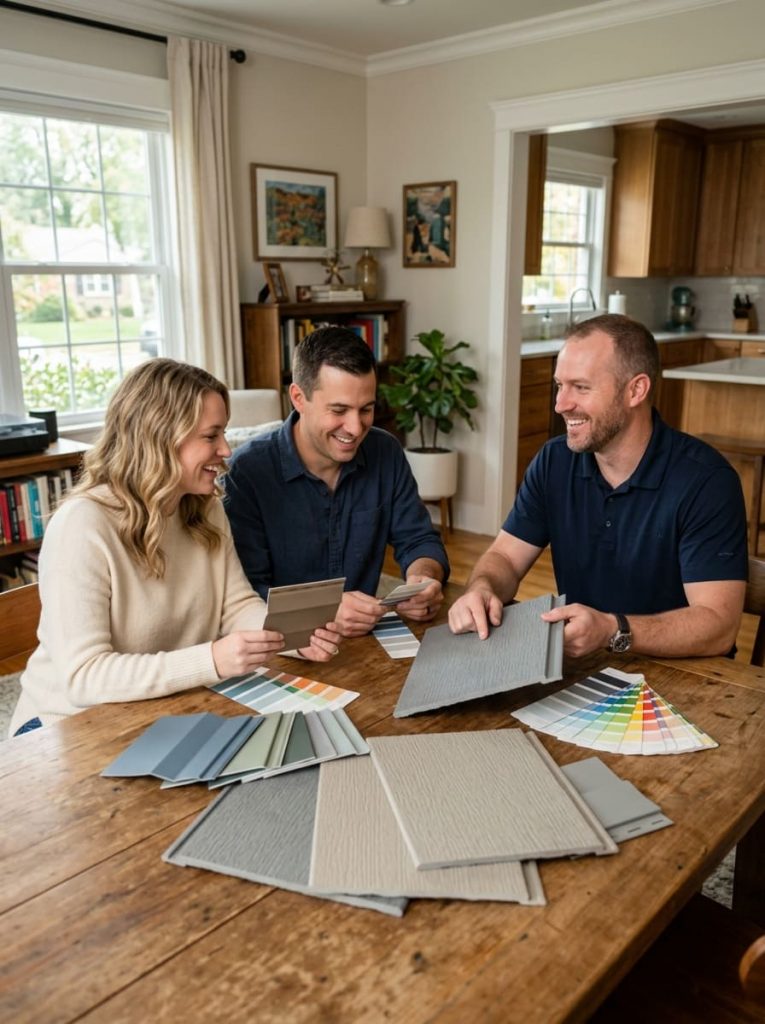
The failure patterns we see in this city aren’t random — they cluster by housing type and microclimate.
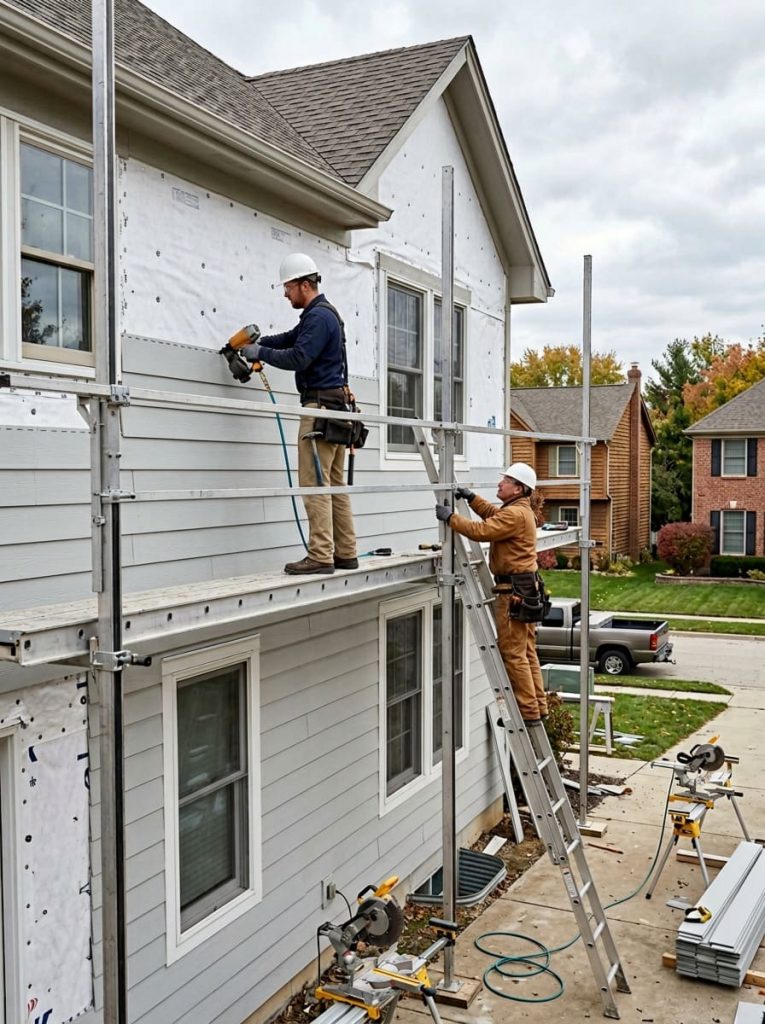
Philadelphia’s dense neighborhoods put exterior materials under stresses that suburban properties rarely face. Salt, pollution, moisture, and tight building configurations work simultaneously — and require installation methods built specifically for these conditions.
Salt Damage from Winter Road Treatment: Streets receive heavy salt applications from November through March. Properties within 50 feet of major thoroughfares — which describes most rowhouses by definition — face corrosive spray that degrades standard vinyl within 5–7 years. Fiber cement and metal materials handle salt exposure significantly better, extending service life by 10–15 years compared to entry-level options.
Pollution & Urban Heat Buildup: Vehicle exhaust and concentrated building heat create a residue film that traps moisture against exterior surfaces. On Colonial and Victorian properties with detailed trim profiles, this accelerates mold growth in grooves and joints. We specify materials with proper breathability ratings and install with ventilation gaps that prevent moisture from becoming trapped behind panels.
Moisture in Attached Housing: Rowhouses and twins share party walls, which limits airflow on two sides and concentrates moisture at the exposed facade. Without a proper drainage plane and moisture barrier, this creates conditions for rot in wood framing and mold behind siding panels. Our installations include a full water-resistive barrier system detailed specifically for attached housing configurations.
Historic District Requirements: Properties in designated historic zones — including parts of Society Hill, Germantown, and Chestnut Hill — require materials and profiles approved by the Philadelphia Historical Commission. We’ve completed projects in historic districts across the city and maintain a working knowledge of PHC standards, so your installation meets preservation requirements without sacrificing durability or energy performance.
With 22 inches of annual snowfall and winter temperatures averaging 32°F, Philadelphia’s freeze-thaw cycles stress fastener points and panel joints throughout the season. Properly set expansion gaps and attachment patterns prevent the cracking, buckling, and water infiltration that follow poor installation — regardless of material quality.
The same freeze-thaw cycles that damage siding also stress roof edges and flashings — if you’ve noticed ice buildup along your roofline, our emergency roof repair team in Philadelphia handles those issues as well.
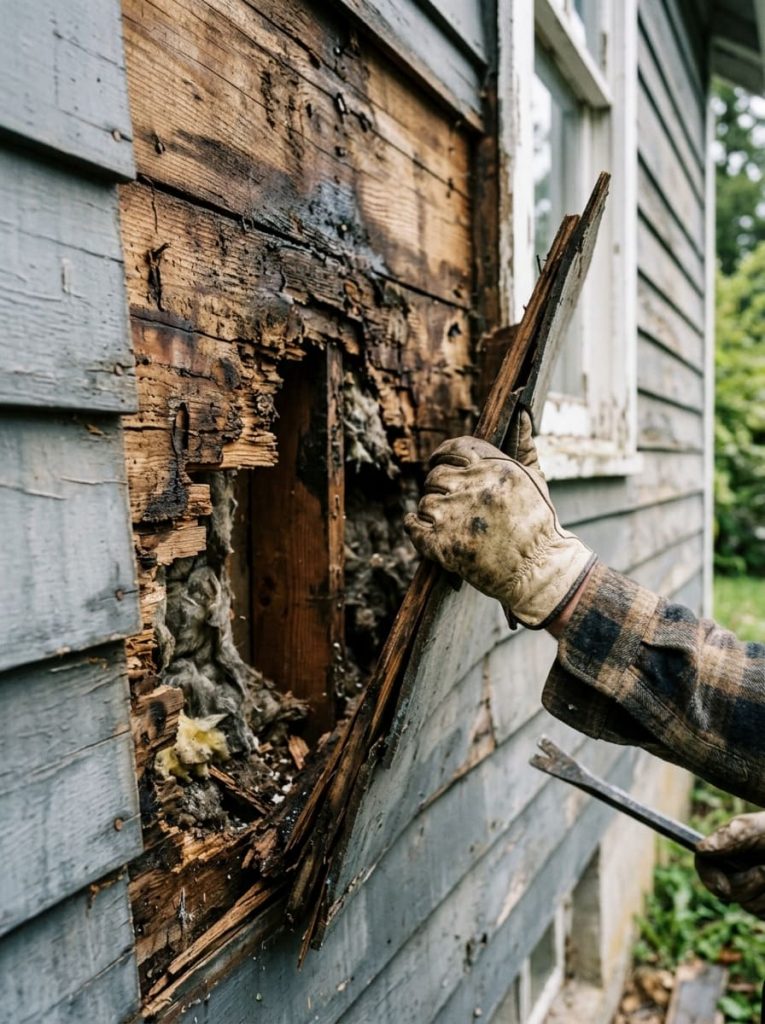
Pricing varies more here than in any other market we work in, because the housing stock varies so much — a 1,200-square-foot rowhouse and a 3,400-square-foot single-family in Chestnut Hill require completely different scopes. The table below is for full siding replacement, including tear-off, housewrap, basic flashing, and disposal. It does not include hidden repairs to sheathing or structural carpentry, which we quote separately after the wall is opened.
| Material | Typical project | Price range | What’s included |
|---|---|---|---|
| Vinyl (entry grade) | Rowhouse, 1,200 sq ft front + back | $8,400 – $11,800 | Tear-off, housewrap, basic trim, disposal |
| Vinyl (insulated) | Twin, 1,800 sq ft | $13,200 – $17,600 | Same as above + foam-backed panels |
| James Hardie fiber cement | Rowhouse, 1,400 sq ft | $18,750 – $24,900 | HardiePlank, HardieTrim, ColorPlus finish |
| James Hardie fiber cement | Twin or single, 2,200 sq ft | $27,400 – $36,200 | Full-elevation Hardie, factory finish, trim |
| Metal (steel or aluminum) | Single-family, 2,400 sq ft | $24,800 – $32,400 | Panel system, trim, fastener kit |
| Cedar wood | Single-family, 2,200 sq ft | $28,600 – $42,300 | Material, prime, install — not factory finish |
Common add-ons specific to local properties:
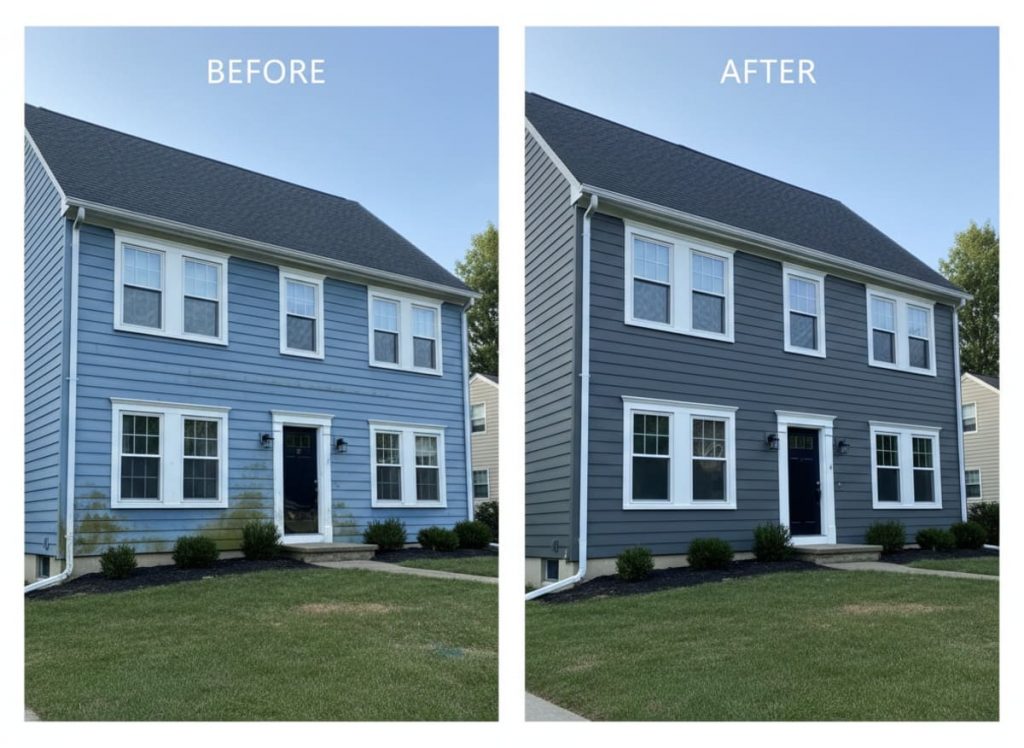
In August 2025 we replaced full-house siding on a rowhouse in South Philly, a few blocks west of Broad Street. The owners had bought the property in 2022 and inherited siding that had been patched twice — original 1950s aluminum, then a vinyl re-skin in the early 2000s, and finally a small section of replacement vinyl from a previous contractor. The street side looked tired; the back was worse.
When the crew opened the front wall, the damage went deeper than expected. Sixty years of slow water entry behind the aluminum had cycled the sheathing into something closer to cardboard near the second-floor cornice. We replaced about thirty square feet of sheathing, re-flashed the cornice properly, and installed HardiePlank with ColorPlus in a deep blue-gray the owners selected from Hardie’s color palette. PM Alex S. ran the job; the crew finished in five working days on site, with a follow-up week for the L&I final and a Hardie-specific punch list. Total cost came in at $22,460. Before-and-after photos are at the botton of this page.
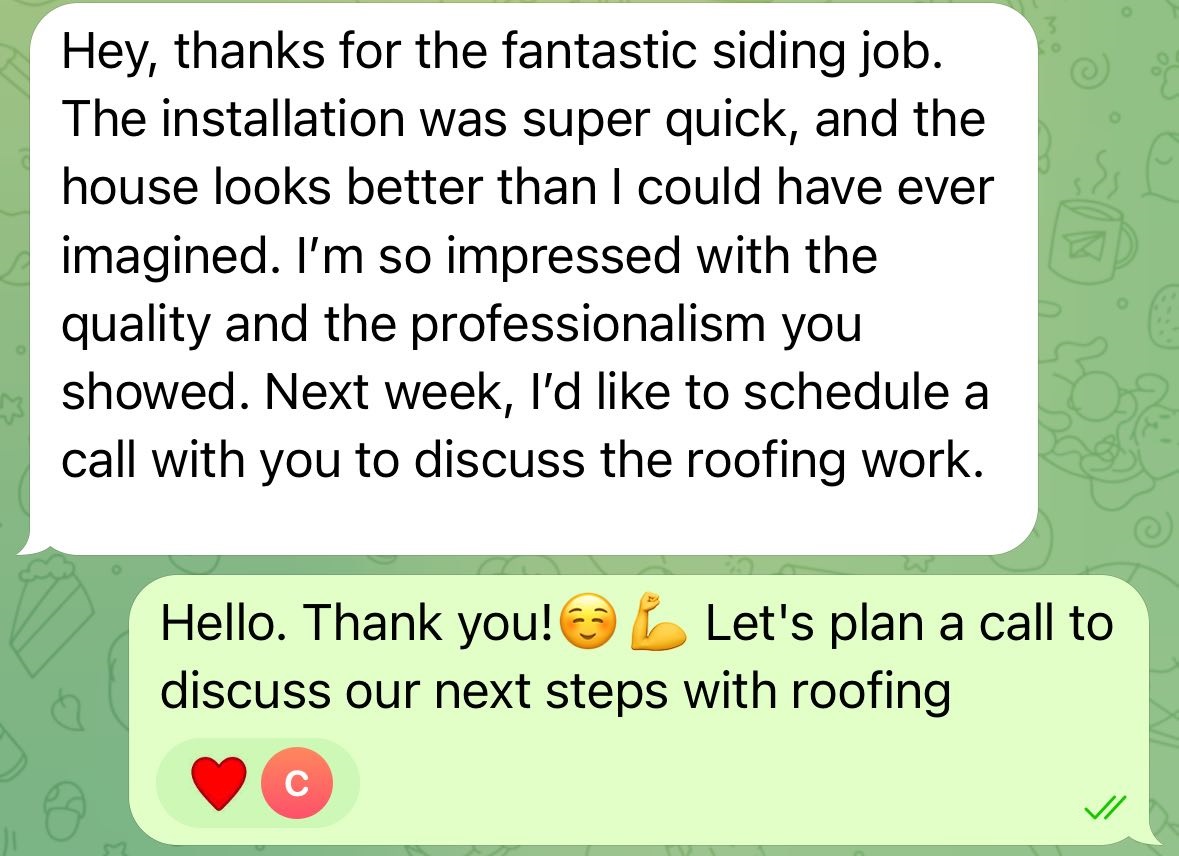
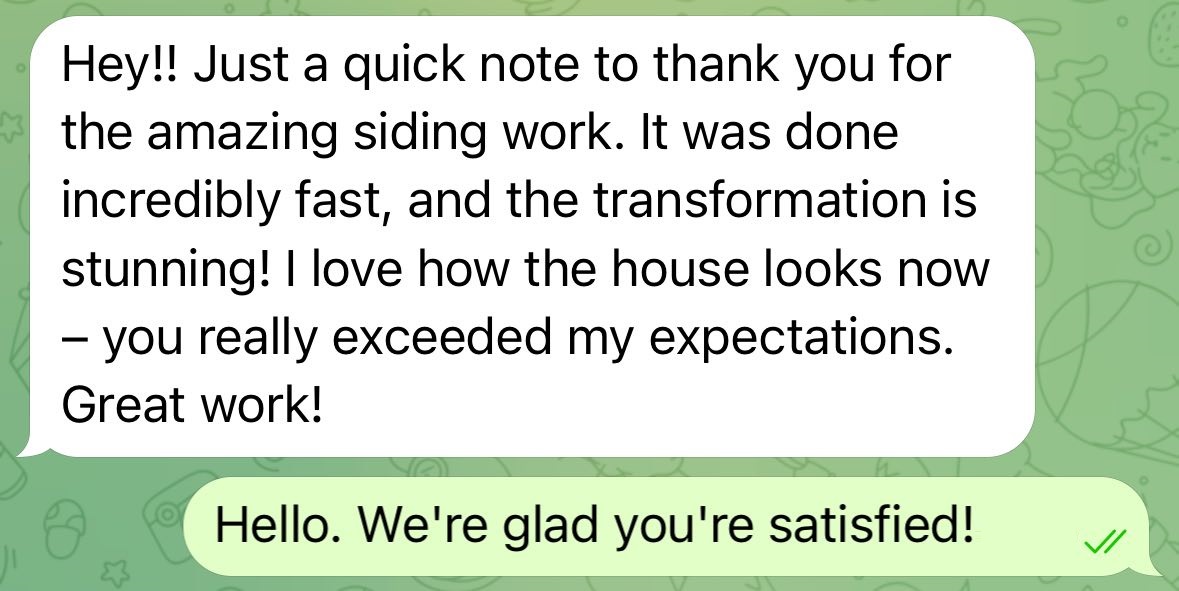
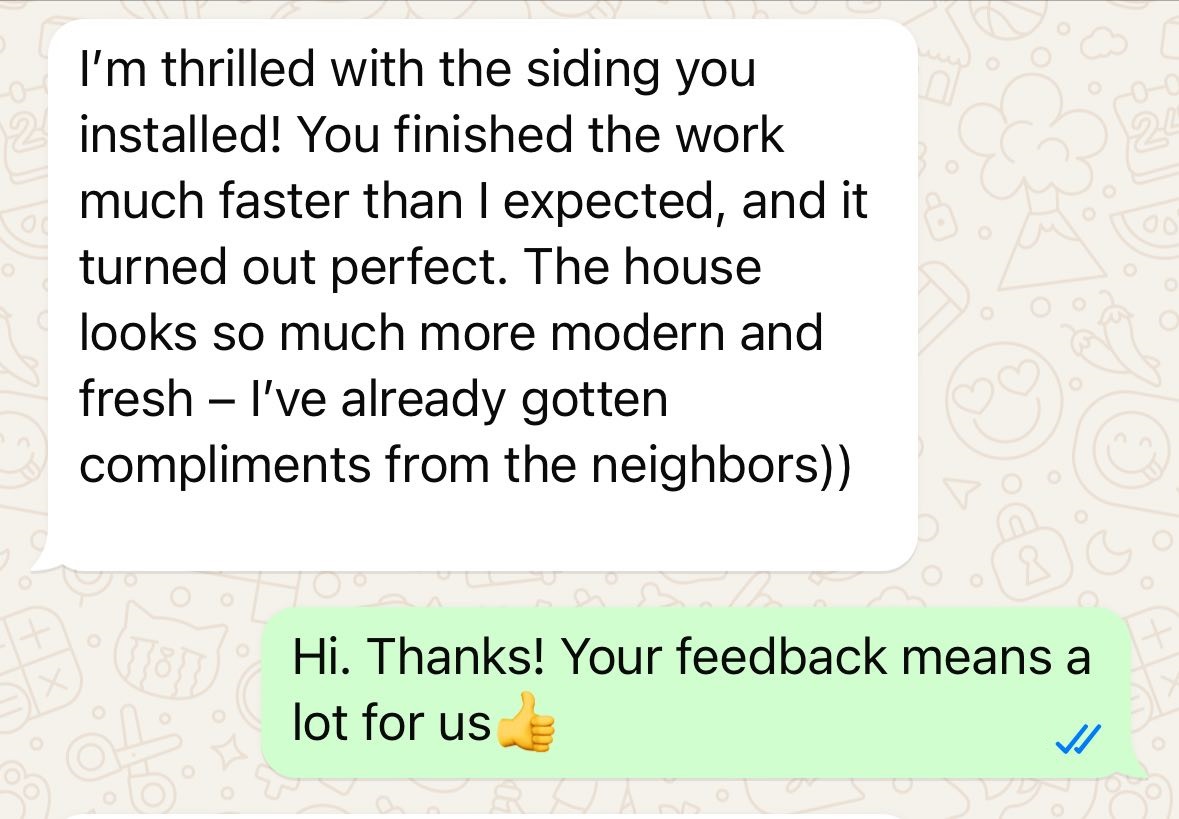
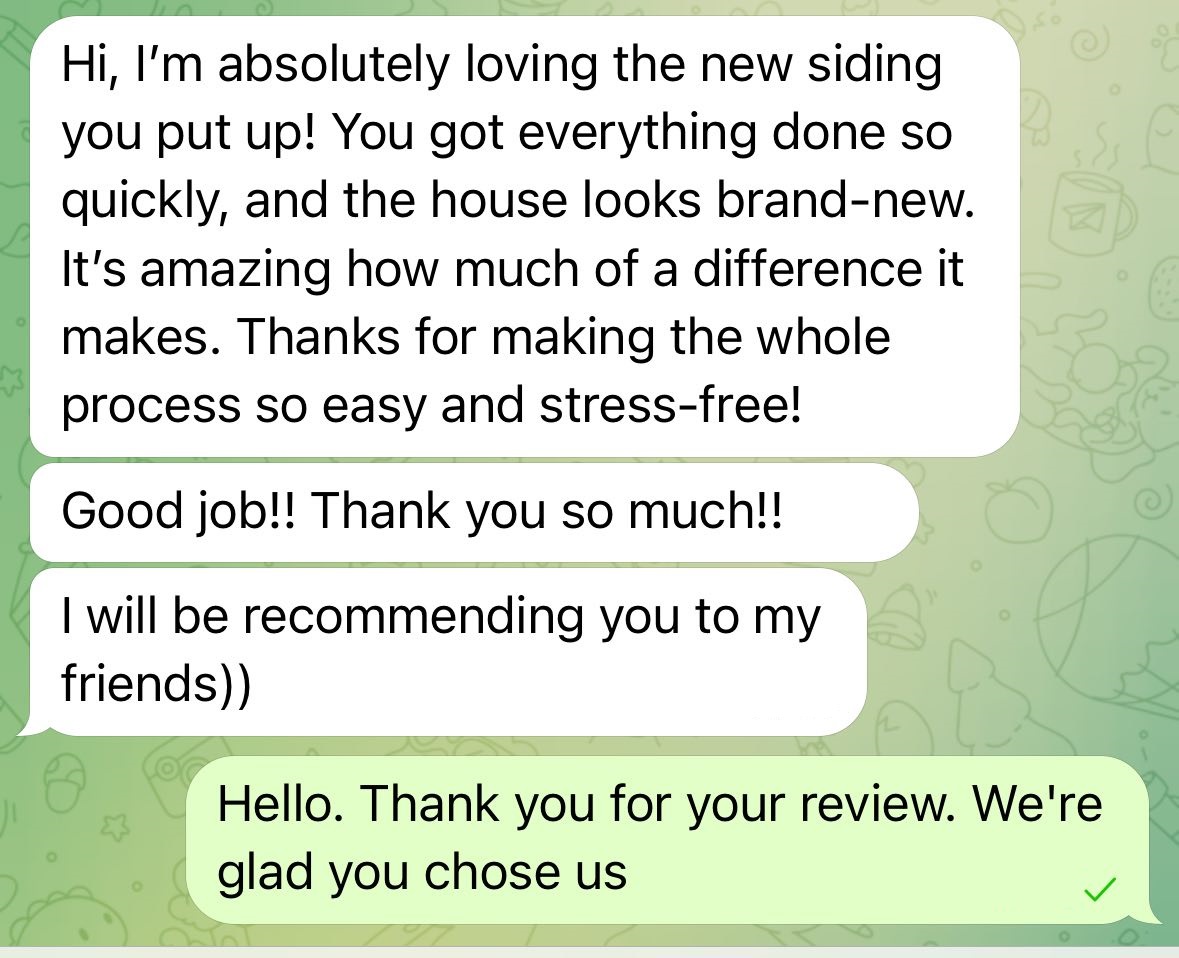
Real feedback from homeowners across Philadelphia — screenshots of reviews from completed siding projects.
Protect your home today with a personalized estimate. Share your details, and we’ll prepare a transparent cost breakdown tailored to your needs.
Find answers to the most common questions about our siding services. If you have any other questions or need more information, feel free to contact us directly.
Yes. For most properties, the City Department of Licenses and Inspections issues siding permits through its EZ Permit pathway, which typically takes two to four business days. Properties inside one of the city’s PHC-designated historic districts require Committee on Design review before any permit can issue. We handle both submissions for our clients as part of the project scope.
Full siding replacement on a typical rowhouse runs $8,400 to $24,900 depending on material — vinyl on the low end, James Hardie fiber cement on the upper end. Twins and single-family homes scale up from there based on square footage. The table above shows ranges by material and house type. Lead-safe abatement on pre-1978 properties is a separate line item, usually $1,840 to $3,200.
We remove. Installing over existing siding traps moisture, hides developing damage to the sheathing, and voids most manufacturer warranties — including James Hardie’s. The only situation where over-cladding makes sense is when removal would trigger asbestos abatement on a property the owner intends to sell quickly, and even then we usually recommend full removal with proper containment.
Four to six working days on site for a standard rowhouse, six to ten days for a twin or single-family home of average size. PHC review for historic-district properties adds three to six weeks before we can start ordering material. Material lead time itself adds another three to four weeks in spring and fall, when manufacturer demand peaks across the region.
We provide a 10-year workmanship guarantee on installation labor. Material warranties come directly from the manufacturer — James Hardie offers a 30-year non-prorated transferable warranty on HardiePlank, and most vinyl products carry a lifetime limited warranty from the manufacturer (terms vary by brand). We provide written warranty documentation at project closeout, with all transfer language intact for future homeowners.
Yes, with material-specific limits. Fiber cement is fine through local winters — Hardie’s installation specs allow installation down to temperatures most winters here never reach. Vinyl is the constraint: panels become brittle below freezing and snap during cutting. We schedule vinyl work for spring through fall when possible, and fiber-cement-only jobs run year-round.
We do. As a contractor holding PA license #187000 and registered with L&I, Monarch Contractors files the permit application, pays the city fee (which we itemize on the estimate), and schedules the final inspection. Homeowners don’t need to visit the L&I office or interact with the city. For PHC-district properties, we prepare and submit the Committee on Design package as well.
Beyond routine maintenance, we specialize in solutions that protect, repair, and enhance your home’s performance in Pennsylvania and New Jersey. Discover services tailored to keep your home secure and in peak condition.

Explore our range of premium siding materials, designed to match any architectural style and budget.

Window replacement with modern, energy-efficient models and a quality guarantee.
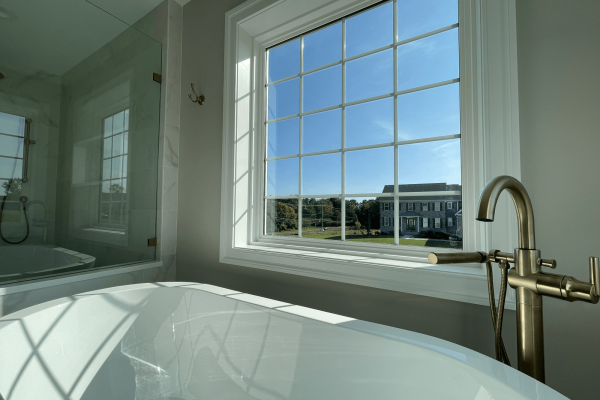
Find the perfect window style for your Pennsylvania or New Jersey home with our diverse selection.
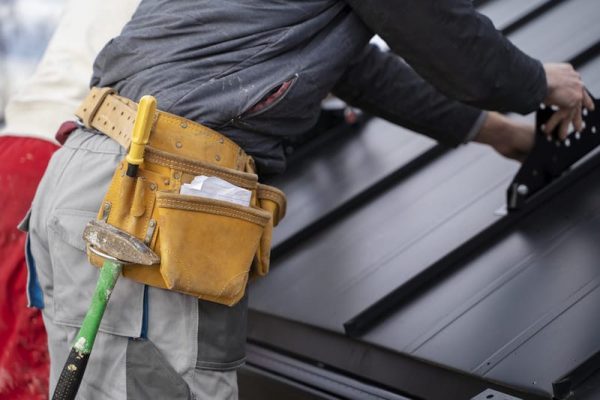
Comprehensive roofing solutions for repair, installation, and maintenance.
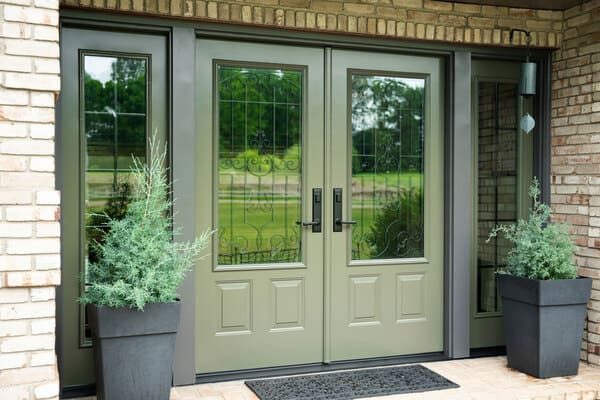
Expert door installation services for entry doors, patio doors, and more.
We value your time, which is why we will contact you within 4 hours after you complete this form!
Do you have questions, need details, or just want to share your thoughts? We are always here, ready to listen and help. We also have a referral program! Contact us to learn more details.
501 Cambria Avenue Bensalem, PA 19020
Mon-Fri: 7 am to 5 pm
Sat-Sun: Closed
Our siding teams work across Philadelphia's rowhome and twin-home neighborhoods, including Northeast Philadelphia, South Philadelphia, Fishtown, Manayunk, and Chestnut Hill. We also install fiber cement and vinyl siding in these adjacent areas:
Leave your details and we’ll respond shortly!